A good game for two gives both people room to make choices. Start with the kind of evening you want, then decide how long you would like to play.
Choose for the people at your table.
Check every intended player count
Allow time to learn as well as play
Choose the mood that suits your group
Games to explore.
These are unranked examples based on player counts, times and descriptions. Check each game page for current Table Tested status and recorded reviews.


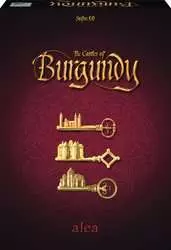
The Castles of Burgundy
Turn dice rolls into a growing estate of towns, farms, ships and castles.
Explore game ↗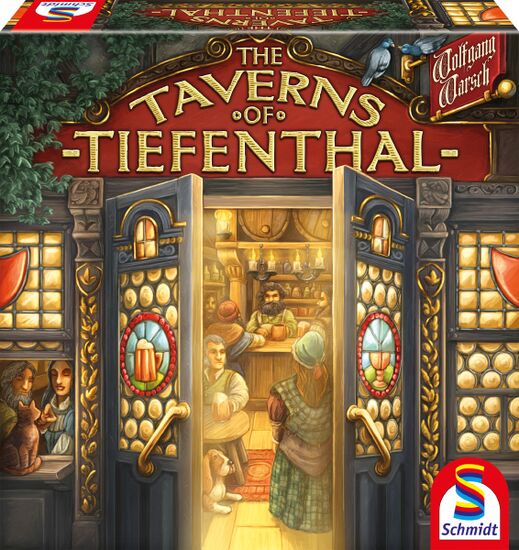
The Taverns of Tiefenthal
Build a better tavern by hiring staff, serving guests and choosing how to spend your dice.
Explore game ↗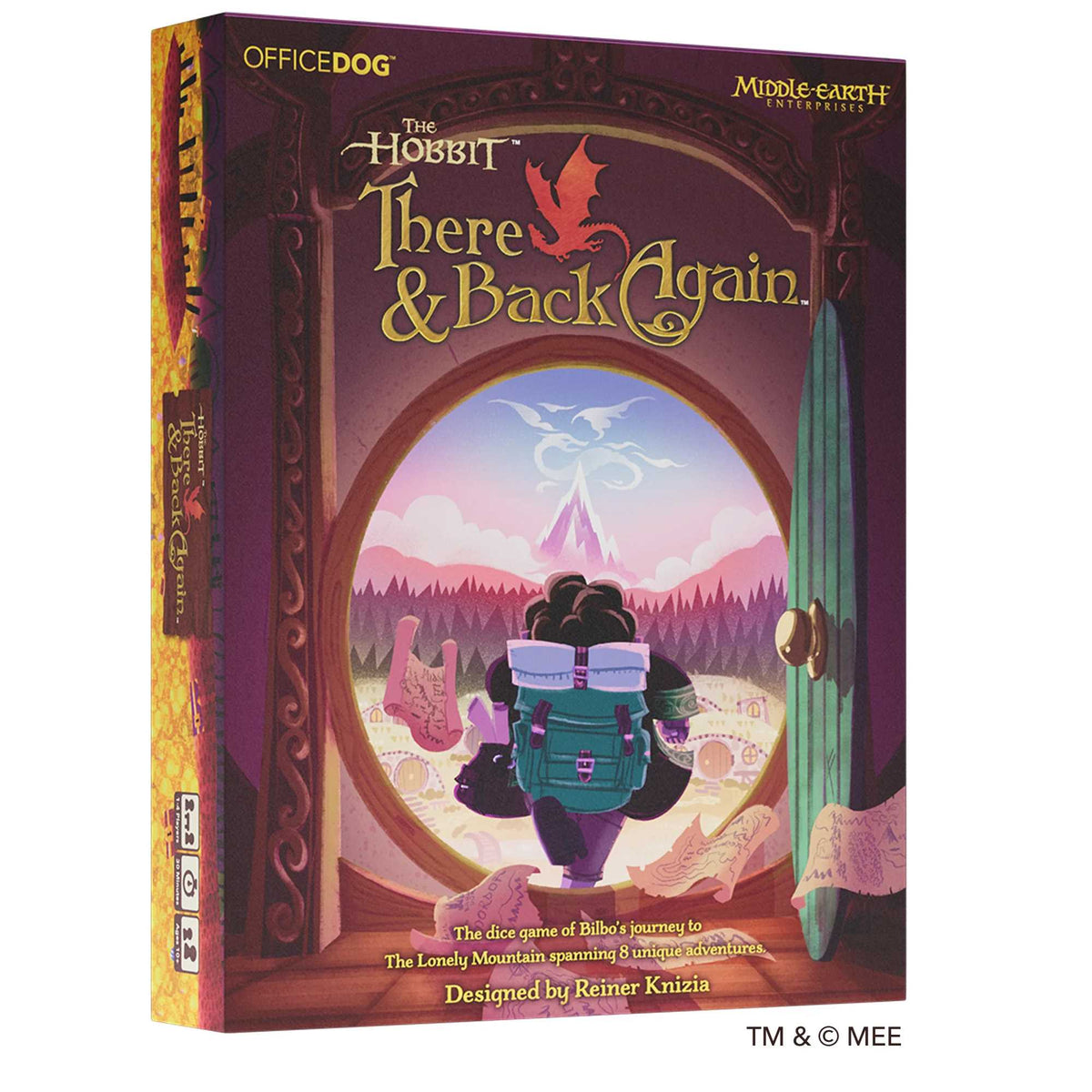
The Hobbit: There & Back Again
Draft dice and chart your own route through Bilbo’s journey in an erasable adventure book.
Explore game ↗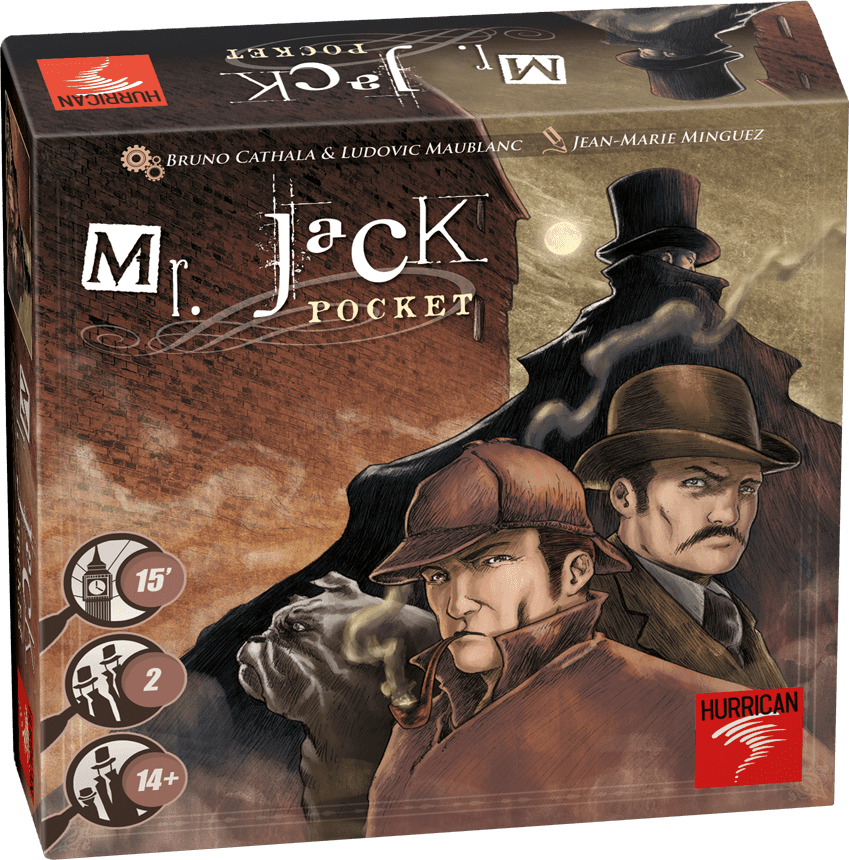
Mr. Jack Pocket
Rotate a tiny street grid to reveal suspects—or keep Jack out of sight.
Explore game ↗Questions around the table.
How long should a two-player game be?
For a first game night, a 20–45 minute option leaves room to learn and play again. A longer game suits an evening set aside for it.
Should we choose cooperative or competitive?
Choose cooperative when you want to solve a shared problem. Choose competitive when you enjoy planning around each other's moves.